
What Makes a Dog Bite Injury Case Eligible for Compensation?
Dec. 10, 2025
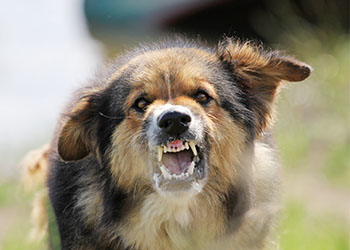 When a dog bite occurs, the shock, pain, and sudden medical needs can turn an ordinary day into a serious problem. In New Jersey, it's common to wonder whether your situation qualifies for compensation or if you’re expected to handle the costs alone.
Dog bite injury cases may involve medical treatment, lost time from work, and long-term effects such as scarring or anxiety around animals. Whether your case is eligible for compensation depends on how the bite occurred, where it happened, who owned or controlled the dog, and whether any legal defenses apply.
The attorneys at the Law Office of Angus U Ejiofor, LLC, provide clear information so you can understand how dog bite claims work and what facts matter most. Based in East Orange, New Jersey, this firm serves clients in the City of Orange, Bloomfield, and Newark. Reach out to the firm today for support and learn what steps may be necessary to protect your rights.
Liability Rules for Dog Bite Incidents in New Jersey
New Jersey dog bite laws hold dog owners responsible when their dogs bite someone, even if the dog never acted aggressively before. This approach differs from earlier rules that required victims to prove the owner knew the dog was dangerous.
In many cases, if the bite happened while you were lawfully on public or private property, and the dog belonged to the person you’re making a claim against, you can typically pursue damages. However, that doesn’t mean every incident leads to payment. Instead, it means that you may not have to prove that the owner acted carelessly in the traditional sense.
Where the bite occurred, why you were there, and whether the dog was under control all play a part in determining liability.
Injuries and Losses That Support a Claim
A dog bite case is more likely to be eligible for compensation when there are clear, documented injuries and financial losses. Medical care after a bite is usually the first concern, but the law also considers long-term effects and daily disruptions. If you’re considering pursuing a claim following a dog bite injury, several types of harm can serve as the foundation of your claim:
Medical treatment and future care: Emergency room visits, urgent care, stitches, surgery, antibiotics, and follow-up appointments may all be part of your physical recovery, as well as future care if complications develop.
Scarring and disfigurement: Visible scars on the face, hands, or other exposed areas can affect your confidence, social life, and work, especially if you need revision procedures or cosmetic treatment.
Loss of income and work impact: Time away from work, reduced hours, or changes to your job duties while you heal can lead to lost wages and, in some cases, long-term changes in your earning ability.
Pain, emotional distress, and fear of dogs: Physical pain, sleep problems, anxiety, and phobias around dogs can linger, especially for children, and may require counseling or other support.
Out-of-pocket expenses: Transportation to appointments, childcare during treatment, and prescription costs can add up over time and may be part of your damages.
The more clearly you can connect the harm you suffered to the dog bite and document them over time, the stronger your case may be. A careful record of your medical care, work history, and daily limitations helps show that your injuries aren’t minor inconveniences, but real losses that deserve to be taken seriously.
Evidence That Strengthens Eligibility for Compensation
Since dog bite claims often rely on detailed facts, the evidence you collect right after the incident and over the following weeks can make a significant difference in the outcome of your case. Some of the key types of evidence you should consider collecting for a dog bite injury case include the following:
Photos and videos from the scene: Images of your injuries, the dog, the location, fences or other protections, and warning signs can help recreate what happened and show the conditions that led up to the bite.
Medical records and treatment notes: Doctor’s notes, diagnostic reports, and medication lists can show how the bite affected your body, what care you needed, and whether you face ongoing problems.
Witness statements and contact information: Neighbors, bystanders, delivery drivers, or other witnesses can often confirm how the bite occurred and describe the dog’s behavior before and after the incident.
Animal control or police reports: If animal control or law enforcement responded to the scene, their official reports may document prior complaints about the dog, the dog's vaccination status, and any statements made at the scene.
Employment and income records: Pay stubs, schedules, and employer letters can support claims for lost wages and show how your ability to work changed after the bite.
Gathering this material as soon as possible helps preserve details that may be harder to find later. When you share these records with the firm, they can be organized into a clear picture of what happened and how the dog bite changed your life, which often leads to more productive discussions with insurance companies.
How Fault and Conduct Affect Eligibility
Even in states with strong laws protecting dog bite victims, fault issues can still arise. For example, suppose an insurance company believes you ignored obvious warnings, entered a clearly restricted area, or repeatedly approached a dog that had already shown signs of aggression. In that case, they may argue that your conduct reduces or eliminates your claim.
Consider whether you were lawfully on the property at the time of the dog bite injury, especially when a bite happens in a yard, driveway, or private home. Questions about whether you were invited, doing your job, or trespassing can affect how the law applies.
Consider whether your conduct provoked the dog. Owners may claim that you teased, hit, or frightened the dog, or that a child grabbed the animal in a way that caused the bite. In some cases, they may also argue that the injuries are less severe than claimed or that earlier conditions caused some of your problems.
If you were found to be partially at fault for the incident, New Jersey follows a modified comparative fault standard for dog bites. In these cases, you may still be able to recover some compensation if you were found to be 50% or less at fault. However, if you were found to be 51% or more at fault, you could be permanently barred from receiving compensation.
What to Expect From The Claims Process
Once you’ve addressed your immediate medical needs and gathered basic information, the next step is usually to identify the dog owner’s insurance coverage and serve them notice of the claim. Many dog bite injury cases involve homeowners or renters' insurance, although the terms of the available coverage may vary.
From there, your case may move through several stages, including settlement talks, further investigation, and, if needed, a lawsuit in court. Some cases resolve through negotiated agreements, while others need more formal steps before you and the dog owner can reach a solution. If you have been bitten by someone else's dog, reach out to an experienced personal injury attorney as soon as possible.
Reach Out to a Reliable Dog Bite Attorney in New Jersey Today
If you’ve been bitten by a dog in New Jersey and you’re wondering whether your case is eligible for compensation, the Law Office of Angus U Ejiofor, LLC can help you discuss your options, review your injuries, and explain how the law applies to your situation.
Located in East Orange, New Jersey, the firm serves clients in the City of Orange, Bloomfield, and Newark. Reach out today to schedule a consultation with a skilled dog bite injury attorney.